
Emergency Main Sewer Line Tree Root Intrusion: Mechanical Clearing, Camera Diagnostics, and Structural Line Rehabilitation
Section Overview
- Mechanical Root Intrusion Mechanisms: Tree roots actively seek out subterranean moisture, oxygen, and soil nutrients by penetrating microscopic pipe fractures, expanding rapidly until dense, fibrous root masses trigger catastrophic wastewater backups across property drain networks.
- Immediate Mitigation Protocols: Property owners must cease all facility and residential water usage immediately during a main line emergency to avoid structural property flooding, health hazards, and environmental contamination from raw sewage overflows.
- Advanced Trenchless Diagnostics & Rehabilitation: Modern high-pressure hydro-jetting, specialized mechanical cutting heads, inline camera diagnostics, and Cured-In-Place Pipe lining fully restore hydraulic capacity and seal entry points without destructive trenching.
- Florida Infrastructure Mechanics: High seasonal water tables and sandy Central Florida soils accelerate structural line shifting, widening pipe seams and inviting aggressive root entry into vintage cast iron, vitrified clay, and modern PVC utility connections.
How Tree Roots Invade Underground Main Lines and Cause Total Hydraulic Failure
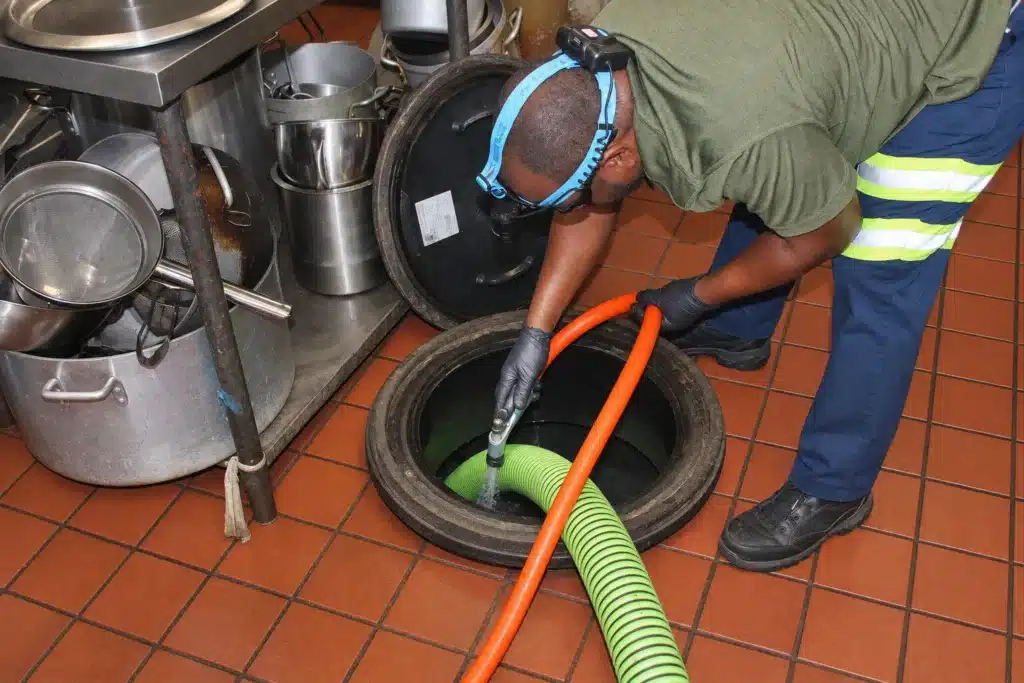
A total main sewer line blockage caused by severe tree root intrusion represents an immediate environmental and structural crisis for any residential home, multi-family complex, or commercial facility. When mature oak, pine, or palm root structures compromise underground collection lines, wastewater from toilets, sinks, and commercial fixtures loses its gravitational flow path, backing up into residential foundations, multi-family slab connections, and commercial property floor drains. Understanding the hydraulic, biological, and civil site factors driving subterranean pipe compromise allows property owners, commercial facility managers, and civil utility operators to execute rapid, permanent remediation strategies rather than relying on temporary drain snaking.
Tree roots do not randomly crush intact sewer lines; instead, they exploit existing microscopic fissures, loose mechanical joints, and age-related structural degradation. Underground sewer mains carry warm, nutrient-rich water and sewer gases containing vaporized moisture, phosphorus, and nitrogen. In sandy soils subject to seasonal water table fluctuations, vapor escapes through minute pipe imperfections, establishing a distinct hydro-thermal gradient in the surrounding dirt. Fine root tendrils, known as feeder roots, naturally grow toward this ambient moisture source, entering pipe joints, cleanout connections, or stress cracks in legacy materials like vitrified clay, cast iron, or compromised schedule 40 PVC lines.
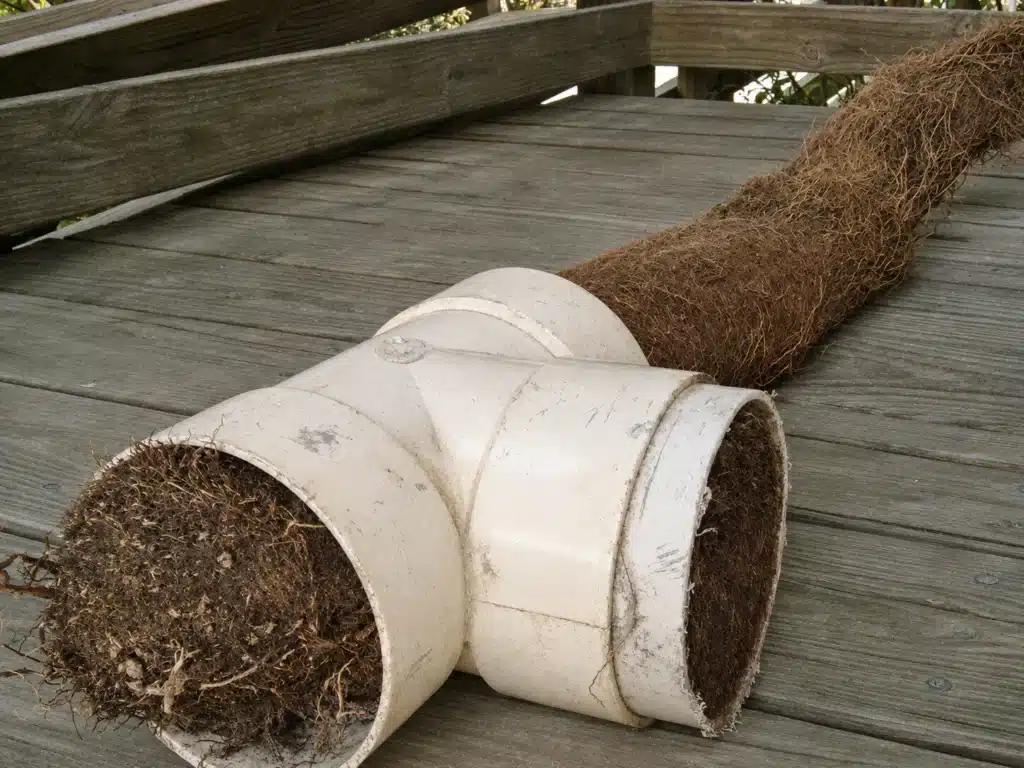
Once inside the pipe, feeder roots encounter an ideal growing environment characterized by elevated temperatures, continuous moisture, high nutrient concentrations, and an uninterrupted oxygen supply. The root system expands rapidly into dense, fibrous masses that act as subterranean check valves. These biological dams catch suspended organic solids, toilet tissue, grease, and household debris, leading to total hydraulic capacity loss across the entire facility. As individual root strands expand in thickness, they exert immense radial pressure that frequently exceeds 150 PSI, widening existing crack patterns, displacing pipe joints, and eventually causing localized structural collapse.
For properties connected to an onsite septic system, root intrusions frequently target the main building drain lateral, the septic tank inlet tee, or the delicate distribution piping within the absorption drainfield. Elevated water tables in Central Florida compound this physical stress by exerting hydrostatic pressure on saturated soils surrounding the line, accelerating pipe settlement and creating sheared joint connections that welcome aggressive root expansion.
Emergency Action Steps During a Main Line Root Intrusion
- Shut Off the Main Water Supply: Immediately close the main water supply valve to stop incoming fresh water flow and prevent any accidental fixture usage across the building envelope.
- Avoid Pouring Chemical Drain Additives: Chemical pour-in root treatments are entirely ineffective against dense, fully formed root blockages and pose severe risks of chemical burns to field technicians while damaging fragile pipe materials.
- Locate and Relieve Exterior Cleanout Assemblies: Carefully unscrew the outdoor main line cleanout cap to relieve built-up hydrostatic head pressure, directing potential sewage spillage safely outside rather than inside interior living spaces or commercial floors.
- Deploy High-Definition Video Diagnostics: Navigate a self-leveling, high-definition inline sewer camera through the lateral to accurately map structural cracks, offset joints, sagged pipe bellies, and precise root entry locations.
- Execute High-Pressure Hydro-Jetting: Scour the full interior circumference of the pipe using calibrated water volume and pressure ratios to strip away root curtains, grease, and tuberculation buildup.
- Install Permanent Structural Rehabilitation: Seal all entry paths using Cured-In-Place Pipe epoxy lining or high-density polyethylene pipe bursting to eliminate mechanical joints and stop future root penetration permanently.
Mechanical Root Cutting, Hydro-Jetting Physics, and Trenchless Pipe Rehabilitation
Resolving a main line blockage from severe root growth requires a systematic approach combining mechanical clearing, diagnostic verification, and structural lining. Relying solely on basic mechanical snakes leaves substantial root curtains intact along the upper pipe quadrant, leading to recurring blockages within months.
Mechanical Root Cutting Mechanics
Mechanical flex-shaft cabling uses high-speed rotating steel blades to puncture through dense blockages and clear an initial flow path. While effective for immediate emergency relief, mechanical cutting blades ride along the bottom floor of the pipe, often missing root masses growing along the top and sides of the line.
Hydro-Jetting Scouring Dynamics
High-pressure hydro-jetting delivers wall-to-wall pipe restoration by combining calibrated gallons per minute water volume with targeted pounds per square inch pressure. Specialized rotating nozzles shear taproots flush with the pipe wall while flushing all heavy organic debris out of the lateral system.
Cured-In-Place Pipe Epoxy Lining
Cured-In-Place Pipe trenchless technology inserts an epoxy-resin-saturated felt liner directly into the existing host pipe. Once expanded and cured via steam or LED light, it creates a jointless, structural inner sleeve that eliminates all seam entry points and resists future root growth for decades.
High-Density Polyethylene Pipe Bursting
Pipe bursting utilizes a pneumatic or static pulling head to break apart heavily damaged host pipe materials while simultaneously dragging a brand-new, continuous high-density polyethylene pipe into the resulting subterranean void. This method maintains maximum flow diameter while completely replacing structural integrity.
High-Definition Sewer Camera Inspections
Once wastewater flow is restored via emergency mechanical clearing, a high-definition inline sewer camera must be navigated through the entire lateral to the municipal main connection or septic tank inlet. CCTV diagnostic crawlers measure offset joints, identify circumferential crack lines, quantify pipe belly sagging, and confirm precise root entry points using built-in sonde radio frequency locators.
Mechanical Cutting versus Hydro-Jetting Hydrodynamics
While mechanical cable machines pull small paths through blockages, high-pressure hydro-jetting delivers total pipe restoration. Hydro-jetting balances pounds per square inch (PSI) and gallons per minute (GPM). Clearing roots without fracturing fragile pipes requires precise pressure management:
- Cast Iron and Clay Tolerances: Operated at 3,000 to 4,000 PSI at 12 to 15 GPM using specialized rotating root-cutting nozzles, such as chain flails or hardened steel spinner heads, the hydraulic stream strips biological film and shears taproots directly at the pipe wall interface.
- Structural Safety Margins: High-volume flow washes loose root masses down line while avoiding localized over-pressurization that could destroy aged cast iron bottoms or brittle vitrified clay hubs.
When managing complex commercial properties with integrated lift stations, unchecked root fragments washed down force mains can bind duplex pump impellers or tangle float switch assemblies, causing secondary municipal compliance violations.
Florida Regulatory and Environmental Guidelines
The Florida Department of Environmental Protection (FDEP) and the Florida Department of Health mandate strict containment of raw sewage spills to protect regional aquifer water quality. Emergency sanitary overflows resulting from root blockages must be professionally contained, remediated, and reported if environmental thresholds are crossed.
Property owners must maintain valid documentation when repairing underground utilities to ensure compliance with county building codes and local municipal grease and sewer ordinances.
External References
- Florida Department of Environmental Protection (FDEP) Wastewater Standards
- U.S. Environmental Protection Agency (EPA) Sanitary Sewer Overflow Guidelines
Key Takeaways
- Root Entry Mechanics: Microscopic pipe fractures release moisture vapors into surrounding soils, attracting aggressively growing feeder roots that expand into dense biological blockages.
- Hydro-Jetting Calibration: High-pressure jetting requires a precise balance of water volume and fluid pressure to strip root masses clean without damaging host pipe structures.
- Diagnostic Necessity: High-definition sewer camera inspections are essential post-clearing to pinpoint structural cracks, offset joints, and hidden root entry zones.
- Trenchless Solutions: Cured-In-Place Pipe epoxy lining eliminates underground pipe joints entirely, sealing out future root intrusion without requiring destructive excavation across finished grounds.
Professional Sewer & Utility Solutions
When root intrusions threaten your plumbing, commercial facilities, or civil utilities, broad advice is no substitute for certified engineering expertise. Lapin Services brings comprehensive field experience backed by triple licensure as a Master Septic Contractor (SM0890812), Certified Plumbing Contractor (CFC1428594), and Underground Utility Contractor (CUC1223686). Contact our team today to request an immediate inline video diagnostic, emergency clearing, or trenchless sewer rehabilitation quote.