Your septic system does a lot more than most homeowners realize—and your drain field is its most important part. It’s where wastewater is naturally filtered and safely returned to the soil. When the drain field fails, so does the rest of the system.
At Lapin’s drain field maintenance services in Orlando, we’ve helped homeowners across Central Florida protect their property from costly septic failures. Whether your system is new or decades old, understanding how your drain field works—and how to care for it—can save you thousands in repairs.
What Is a Drain Field?
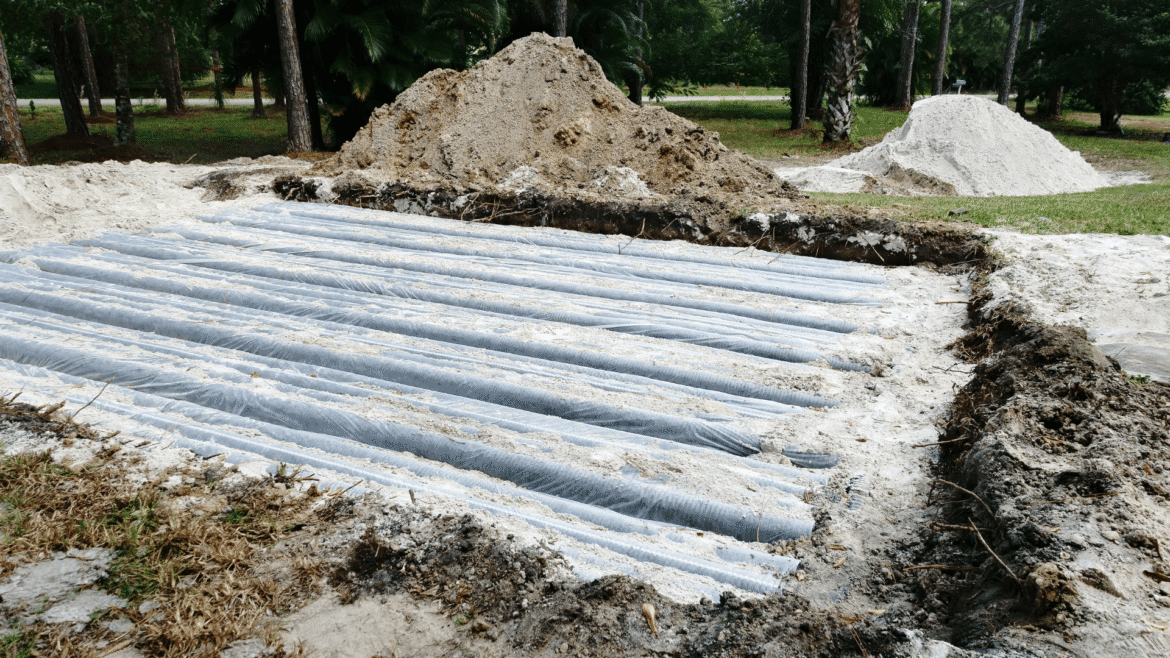
A drain field (also called a leach field) is the final stage of your septic system. After solids settle in your septic tank, the liquid wastewater flows into the drain field through a series of perforated pipes buried under gravel and soil.
The soil acts as a natural filter, removing harmful bacteria, viruses, and nutrients before the water reenters the groundwater supply.
When everything works properly, you never have to think about it. But when the drain field becomes clogged or saturated, wastewater has nowhere to go—and that’s when big problems start.
Why Drain Field Health Matters
Your septic tank and drain field work together. If one fails, the other will too. Here’s why a healthy drain field is so important:
- Prevents backups and flooding: A functioning field allows wastewater to flow freely.
- Protects groundwater: It filters contaminants before they reach wells or aquifers.
- Extends system lifespan: Proper maintenance helps your septic system last decades.
- Saves money: Drain field repair or replacement can cost several thousand dollars—regular maintenance costs a fraction of that.
Keeping your drain field healthy is one of the best investments you can make for your home.
Common Signs of Drain Field Problems
Drain field issues start slowly, often going unnoticed until major damage occurs. Look for these warning signs:
1. Slow Drains Throughout the House
If multiple drains are sluggish—even after the tank is pumped—it could mean the drain field is saturated and can’t absorb more water.
2. Standing Water or Soggy Ground
If your yard stays wet even when it hasn’t rained, wastewater might be surfacing from an overloaded field.
3. Unpleasant Odors
Strong sewage smells near the drain field or septic tank indicate that effluent isn’t filtering properly.
4. Greener or Faster-Growing Grass
While it might look nice, lush grass in one area can mean wastewater is rising too close to the surface.
5. Frequent Backups
If you’ve pumped your tank but backups continue, the problem likely lies in the drain field, not the tank itself.
Recognizing these signs early can help you avoid full system failure.
How Lapin Inspects and Maintains Drain Fields
When you call Lapin, we don’t just pump the tank and leave. We inspect the entire system—from tank to drain field—to ensure everything works properly.
Our Process Includes:
- System inspection: We locate your drain field and check for flooding, odors, or surface seepage.
- Flow testing: Determines whether wastewater is moving properly through the lines.
- Soil evaluation: Identifies compacted or clogged areas affecting absorption.
- Maintenance recommendations: Based on findings, we’ll advise on cleaning, jetting, or repair options.
Our technicians use advanced tools and years of experience to diagnose problems accurately and provide long-term solutions.
What Causes Drain Field Failure
Understanding what damages a drain field can help prevent future issues.
- Neglecting septic pump-outs: When sludge builds up in the tank, solids overflow into the drain field.
- Excessive water use: Overloading your system floods the field faster than it can drain.
- Driving or parking over the field: This compacts the soil, reducing absorption.
- Tree roots: Roots can invade pipes, blocking or breaking them.
- Chemical cleaners: Harsh chemicals kill beneficial bacteria that break down waste.
Routine inspections and smart habits are your best defense.
How to Care for Your Drain Field
Here are simple steps every homeowner can follow:
- Pump your septic tank every 3–5 years (depending on usage).
- Spread out laundry and dishwasher loads to avoid overloading the system
- Keep heavy vehicles, sheds, and landscaping away from the drain field.
- Direct roof and surface water away from the septic area.
- Use septic-safe toilet paper and cleaning products.
Lapin’s team can help you set up a customized maintenance plan that keeps your system running efficiently year-round.
Repairing or Replacing a Failing Drain Field
If your drain field is failing, repair is sometimes possible—but not always.
Repairs May Include:
- Jetting or cleaning drain lines
- Aerating compacted soil
- Replacing distribution boxes or damaged pipes
- Redirecting water flow to healthier areas of the field
Replacement Is Needed When:
- The field is fully saturated or clogged
- The soil has lost absorption capability
- There’s severe root intrusion or pipe collapse
Lapin’s licensed septic experts handle both repairs and complete replacements, ensuring all work meets Florida health and environmental regulations.
How Often Should You Service Your Drain Field?
Regular inspections should happen every 1–3 years, depending on household size and usage. Homes with heavy water use—like large families or properties with garbage disposals—should schedule inspections annually.
Routine maintenance keeps small issues from turning into system-wide failures.
Why Orlando Homeowners Choose Lapin
- Over 60 years of septic expertise in Central Florida
- Licensed, bonded, and insured professionals
- Honest pricing and transparent recommendations
- Advanced diagnostic and repair equipment
- Satisfaction guarantee on every job
- 24/7 emergency availability for urgent septic issues
We’re not just fixing systems—we’re protecting your property, your water, and your peace of mind.
FAQs About Drain Field Maintenance in Orlando
- How long does a drain field last?
With proper care, a drain field can last 20–30 years or more. Neglect or overuse can shorten its lifespan significantly. - Can I repair a drain field myself?
No. Drain field repairs require professional equipment and must meet health department regulations. DIY fixes often cause more harm than good. - How do I know if my drain field is beyond repair?
If you have persistent standing water, foul smells, or backups even after pumping, it’s time for professional evaluation. - Can heavy rain damage my drain field?
Yes. Too much rain can saturate the soil, preventing proper filtration. Direct gutters and runoff away from the system. - How much does a drain field replacement cost?
Costs vary by property size and soil condition but typically range from $4,000 to $10,000. Preventative maintenance helps you avoid this expense.
Call for Drain Field Maintenance in Orlando
Don’t wait until your septic system fails. Keep your home safe, efficient, and environmentally sound with professional help from Lapin.
Call (407) 278-6047 or schedule drain field maintenance in Orlando today. Our technicians will inspect, maintain, and protect your system—so it continues running smoothly for years to come.
Learn more about our full range of septic services at Lapin Drain Field Services.